



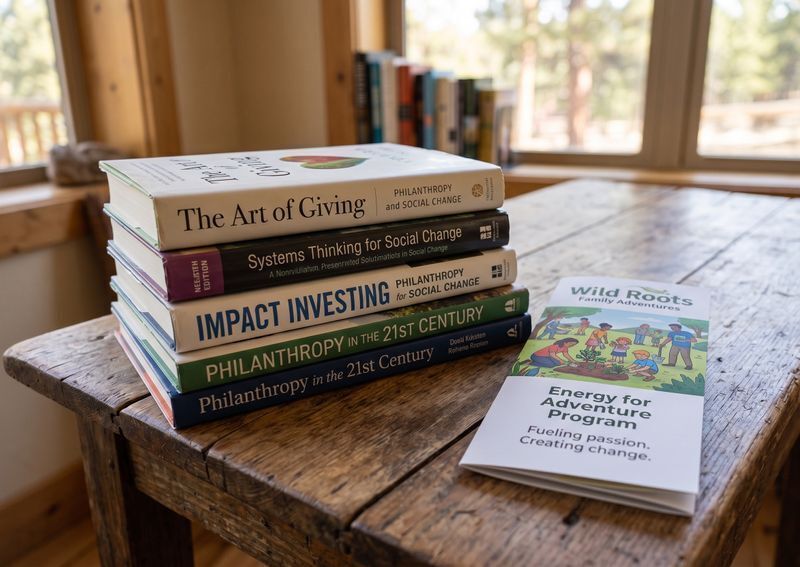
Key Takeaways
- Systemic Thinking: Effective giving requires moving beyond one-time charity to address the root causes of community challenges.
- Optimistic Action: Modern technology and "infectious generosity" allow small local actions to have a global, viral impact.
- Empowered Communities: True philanthropy involves trusting local leaders and families to drive their own nutritional and wellness goals.
Why should we rethink the way we give back?
In an interconnected world, being a changemaker is about building long-term resilience. While the scale of global problems can feel overwhelming, visionary thinkers are providing roadmaps for systemic change. By understanding the "art and science" of giving, supporters of Wild Roots Family Adventures can move from simple contributions to creating lasting abundance in our own backyards.
Which books offer a new perspective on modern philanthropy?
- Abundance (Peter Diamandis & Steven Kotler): A guide to how innovation in food and energy can shift our goals from managing scarcity to creating global plenty.
- A New Era of Philanthropy (Dimple Abichandani): This text introduces trust-based philanthropy, a core value of the Energy for Adventure program.
- Everything is Tuberculosis (John Green): A compelling look at how individual advocacy can mobilize global healthcare movements.
- A Path Appears (Nicholas Kristof & Sheryl WuDunn): An examination of the research-backed ways we can transform lives through opportunity.
- Systems Thinking for Social Change (David Peter Stroh): A practical guide on avoiding unintended consequences when solving complex social problems.
- Infectious Generosity (Chris Anderson): The curator of TED explains how to use our digital voices to spark waves of radical kindness.
How does the Energy for Adventure program apply these concepts?
Our Energy for Adventure program isn't just about providing nutrition; it’s about applying "systems thinking" to family wellness. We focus on empowering families with the tools and knowledge to sustain their own health, echoing the trust-based models found in these essential reads.
During a recent workshop, one of our lead organizers sat down with a new volunteer to explain this exact philosophy.
"I explained to the new volunteer that we don't just hand out kits; we ask the families what barriers they face at home so we can solve the problem together," she recounted.
What is the measurable impact of an informed community?
Education leads to more effective advocacy. Since introducing our curated resources and "Giving Back" initiatives, Wild Roots Family Adventures has seen a 20% increase in long-term volunteer retention. When volunteers understand the "why" behind the "how," they contribute approximately 100+ hours of service annually, which the Rotman Research Institute associates with significant cognitive benefits for the volunteers themselves.